You’ve probably held a deck of cards at some point—maybe during a family gathering, a quiet evening with friends, or even a competitive game night. But have you ever wondered how card games connect cultures across the globe? From ancient traditions in Asia to lively gatherings in the Americas, card games are more than just entertainment—they are stories, strategies, and social rituals woven into everyday life.
Let’s take a journey. Not by plane, but by deck.
Asia: Tradition Meets Symbolism


In Asia, card games often carry deep cultural roots. You’re not just playing—you’re participating in history.
Hanafuda (Japan)
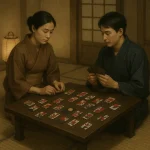
When you sit down with Hanafuda, you’re holding cards that reflect seasons, flowers, and nature. Originating in Japan, this game blends art with gameplay.
How you play:
You match cards based on themes and build combinations called yaku.
Strategy tip:
You’ll need sharp memory and observation. Pay attention to what your opponent collects—it reveals their plan.
Cultural note:
Hanafuda was once linked to underground gambling circles, but today it’s a respected traditional pastime.
Chinese Poker (China)
Simple to learn, hard to master—that’s the charm of Chinese Poker.
How you play:
You arrange 13 cards into three hands: front, middle, and back, each stronger than the last.
Strategy tip:
Balance is key. If you go all-in on one strong hand, you risk weakening the others.
Cultural note:
This game is popular during holidays, especially Lunar New Year, where luck and skill intertwine.
Europe: Strategy and Elegance


In Europe, card games often emphasize intellect and long-term strategy. You’re expected to think ahead—several moves ahead.
Bridge (United Kingdom & France)
Bridge is a game of partnerships and communication without words.
How you play:
You bid, signal, and play tricks with a partner against another pair.
Strategy tip:
Understanding your partner’s intentions is everything. Subtlety wins.
Cultural note:
Bridge clubs across Europe are social hubs, often attracting players who treat the game like chess.
Skat (Germany)
If you enjoy fast-paced, tactical play, Skat delivers.
How you play:
Three players compete, with one taking on the role of soloist against the others.
Strategy tip:
Adapt quickly. Each round changes dynamics, forcing you to rethink your approach.
Cultural note:
Skat is considered Germany’s national card game, with official tournaments and leagues.
Americas: Energy and Social Play


In the Americas, card games are often lively, social, and full of personality. You’re not just playing—you’re interacting.
Poker (United States)
Few games capture tension and psychology like Poker.
How you play:
You bet, bluff, and build the best hand—or convince others you have it.
Strategy tip:
Reading people matters as much as reading cards. Control your expressions.
Cultural note:
Poker evolved from multiple European games but became iconic in American casinos and pop culture.
UNO (Global Popularity)
Simple, colorful, and surprisingly competitive.
How you play:
Match colors or numbers, and don’t forget to shout “UNO!”
Strategy tip:
Hold onto action cards. Timing them can turn the game in your favor.
Cultural note:
Though modern, UNO has become a global household favorite, bridging generations.
Africa: Community and Oral Tradition


Across Africa, card games often thrive in communal settings. You’ll find them played outdoors, accompanied by conversation and laughter.
Basra (Middle East & North Africa)
A game of precision and calculation.
How you play:
You capture cards from the table by matching values or combinations.
Strategy tip:
Think ahead. Setting traps for future captures can give you the edge.
Cultural note:
Basra is commonly played in cafés, where games stretch for hours alongside tea and storytelling.
Why Card Games Matter More Than You Think
When you play a card game, you’re doing more than passing time. You’re sharpening your memory, improving decision-making, and connecting with others. Each region brings its own flavor—whether it’s the symbolic beauty of Asia, the strategic depth of Europe, the lively spirit of the Americas, or the communal warmth of Africa.
And here’s the interesting part: despite their differences, all these games share one thing—you.
You are the strategist, the observer, the storyteller at the table.
Final Thoughts: Shuffle, Deal, Explore
The beauty of card games lies in their diversity. From Hanafuda to Poker, from Bridge to Basra, each game invites you into a new culture, a new way of thinking, and a new experience.
So next time you pick up a deck, don’t just play what you already know. Try something different. Learn a new set of rules. Challenge your instincts. Step into another culture—one card at a time.
Because the world is wide, but sometimes, all it takes to explore it… is 52 cards.