
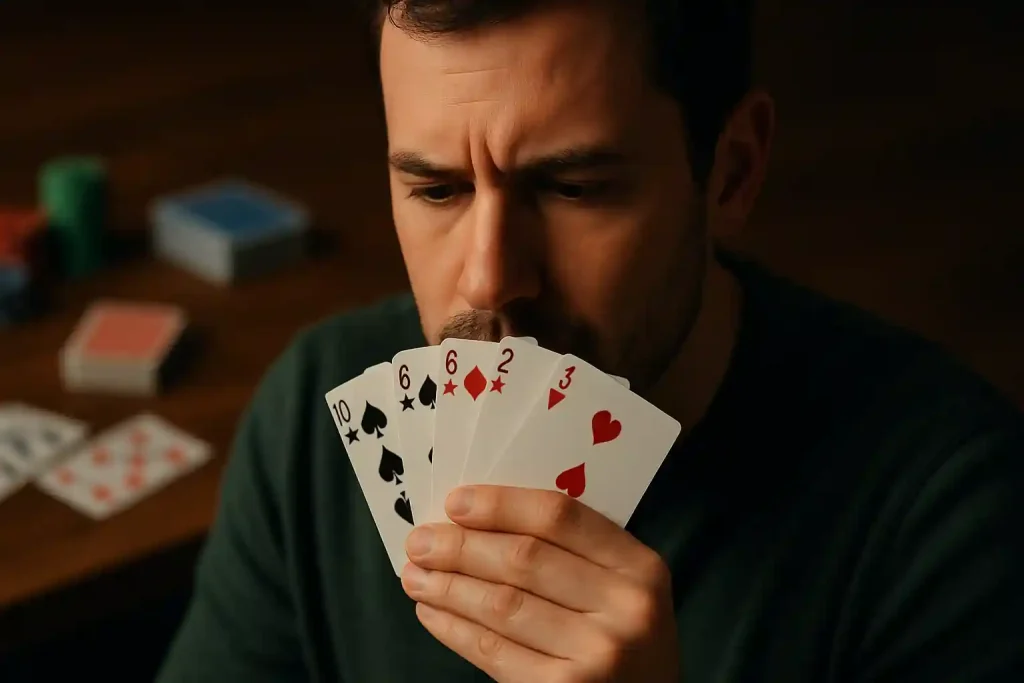
Card games have entertained people for centuries, offering not only fun but also opportunities to practice logic, memory, and skill. From casual UNO matches to high-stakes Poker tournaments, success depends on more than luck. The real secret lies in card game strategies—the methods players use to improve their chances of winning.
Strong card game strategies only work when you already know the rules of card games. Once the basics are clear, strategies can transform how you play, whether you are bluffing in Poker, managing resources in Magic: The Gathering, or timing your reversals in UNO.
This guide from Cardanoir explores strategies from beginner-friendly tactics to advanced insights, across both classic and modern titles.
Basics of Card Game Strategies
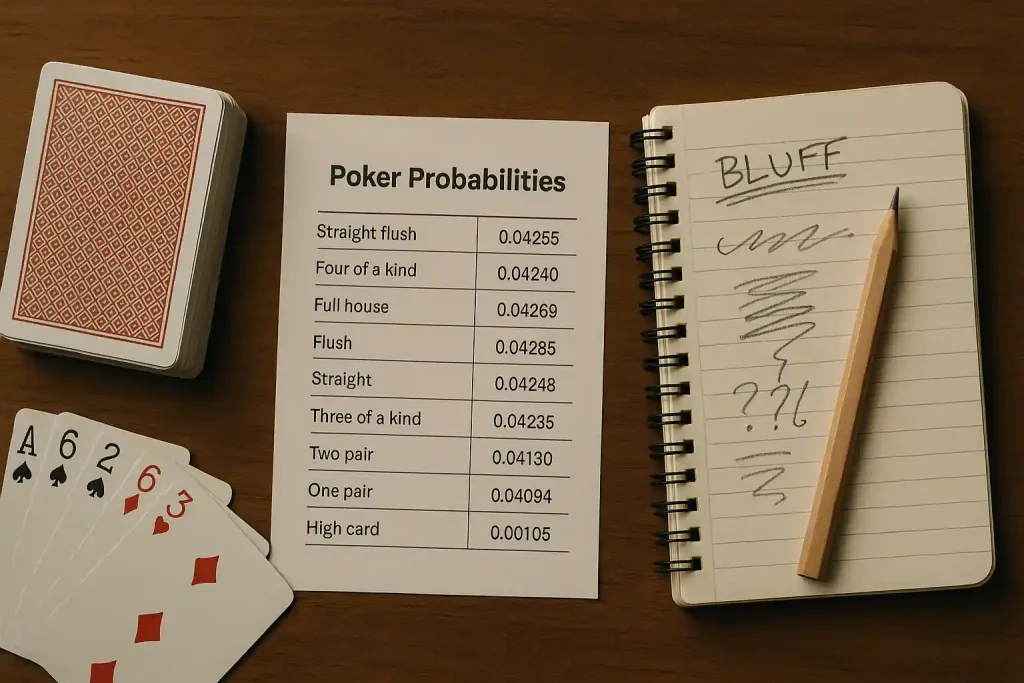
Before diving into game-specific techniques, it helps to understand universal principles.
Probability Awareness
At the heart of all card game strategies is probability. Knowing the odds of drawing a certain card—or predicting what your opponent might have—gives you a strategic edge. For example, calculating outs in Poker or recognizing card distribution in Bridge both rely on probability.
Bluffing and Psychology
Bluffing is not limited to Poker. Many card games reward psychological play, where you make moves that mislead or unsettle opponents. Even in UNO, holding back a Wild Draw Four until the right moment is a form of bluffing.
Risk Management
Every play carries risk. In Blackjack, hitting on a 16 is risky but sometimes necessary. In Magic: The Gathering, overcommitting your creatures may leave you defenseless. Good players weigh short-term risks against long-term gains.
Game-Specific Card Game Strategies
Now let’s look at how these principles apply in popular games around the world.
Poker Strategy
Poker is a game of incomplete information, and strategy is key.
- Starting Hands: Know which hands are worth playing. Avoid weak combinations early.
- Position Play: Acting later in a round gives more information, allowing better decisions.
- Bluffing and Semi-Bluffs: Balance real strong hands with occasional bluffs to keep opponents guessing.
- Bankroll Management: A vital strategy—don’t risk more than you can afford.
UNO Strategy
UNO looks simple, but strategy still matters.
- Card Counting: Track what colors and numbers have been played.
- Timing Action Cards: Save Skip, Reverse, and Wild cards for maximum disruption.
- Color Control: Try to maintain flexibility with multiple colors in hand.
- Endgame Shout: Never forget to say “UNO!”—it’s a strategy and survival rule.
Magic: The Gathering Strategy
Magic combines resource management with tactical combat.
- Deck Building: The foundation of all MTG strategy—balance mana, creatures, and spells.
- Mana Management: Avoid being “mana screwed” by planning your land base carefully.
- Card Advantage: Strategies that allow drawing more cards often lead to victory.
- Metagame Awareness: Knowing the popular decks in competitive play helps you prepare counters.
Bridge Strategy
Bridge is complex, demanding both individual skill and partnership communication.
- Bidding Systems: Establish clear agreements with your partner about what bids mean.
- Card Counting: Track played suits to know what remains unseen.
- Defensive Play: Learn when to sacrifice tricks to block opponents’ plans.
- Partnership Signals: Use standard signals to share information legally during defense.
Solitaire Strategy
Solitaire may be solo, but it still rewards planning.
- Expose Hidden Cards: Prioritize moves that reveal face-down cards.
- Empty Columns Wisely: Only free up tableau columns if you have a King ready to move in.
- Undo Cautiously: In digital Solitaire, undo can help explore options, but don’t overuse it.
- Think Ahead: Like chess, plan multiple moves before acting.
Why Strategies Differ Across Card Games
While the basics—probability, bluffing, risk—apply everywhere, each type of game requires specific approaches. Poker thrives on betting psychology, UNO on timing, Magic on deck construction, Bridge on partnership, and Solitaire on foresight.
Many players test these tactics first in digital card games, where mistakes are less costly and practice is unlimited. Online platforms also provide analytics and tutorials that sharpen strategy faster.
Common Mistakes in Card Game Strategies
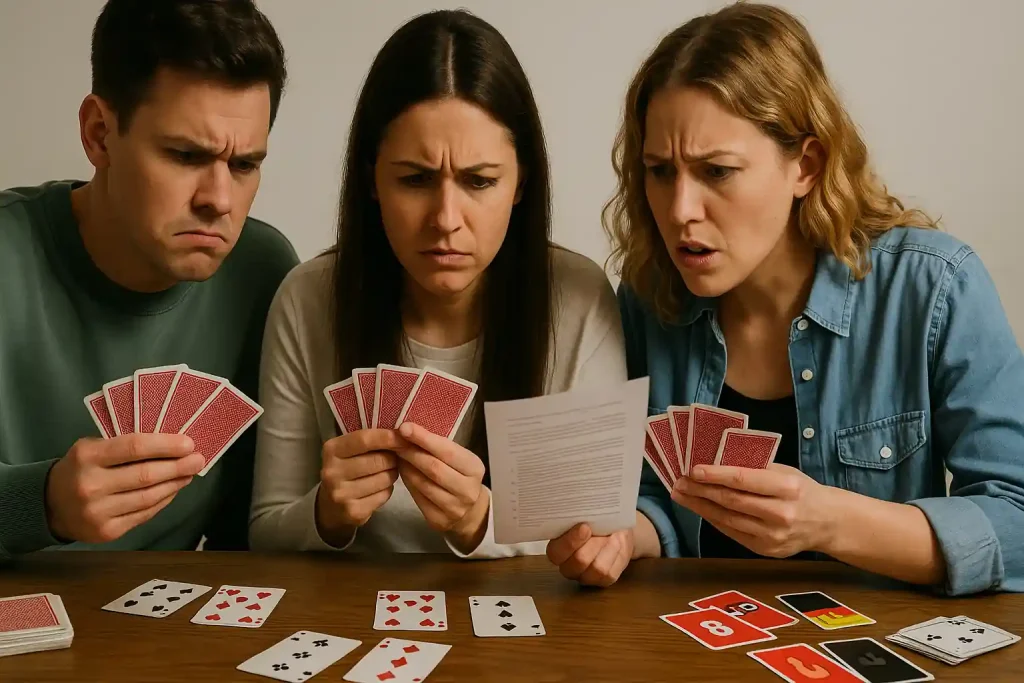
Even good players fall into traps. Some common mistakes include:
- Over-bluffing in Poker – bluffing too often makes you predictable.
- Burning Action Cards too early in UNO – losing control in the late game.
- Ignoring Mana Curve in Magic – leaving decks too slow to compete.
- Forgetting Signals in Bridge – breaking trust with your partner.
- Moving Randomly in Solitaire – missing optimal sequences.
Recognizing these mistakes is as important as learning new tactics.
Advanced Insights into Card Game Strategies
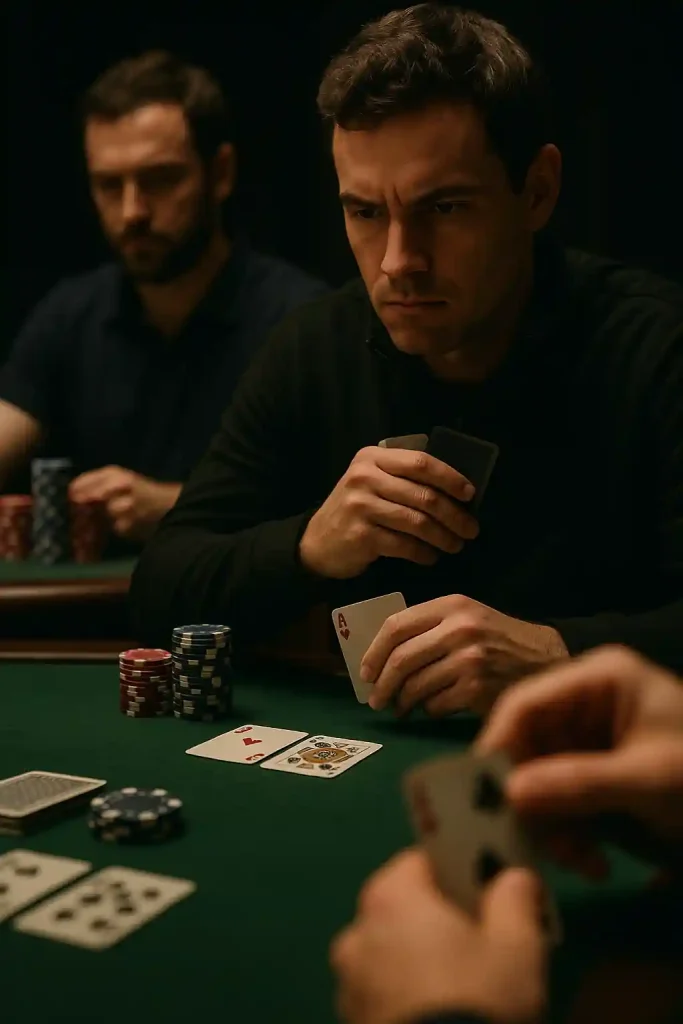
At advanced levels, strategies evolve beyond simple moves:
- Meta Adaptation: Competitive players adjust strategies to the “meta”—the current trend of winning decks or tactics.
- Psychological Endurance: Long sessions require emotional control and stamina.
- Mathematical Mastery: Advanced probability calculations become second nature.
- Cross-Game Skills: Lessons from one game can often apply to another.
Card game strategies turn casual play into mastery. Whether you’re bluffing in Poker, timing reversals in UNO, managing mana in Magic, partnering in Bridge, or solving Solitaire puzzles, strategies give you the edge.
To keep improving, explore the Rules of Card Games for a solid foundation and dive into Digital & Online Card Games to practice and test strategies in real time.
Cardanoir will continue to guide players at every level, ensuring every shuffle and deal is not just luck—but skill.