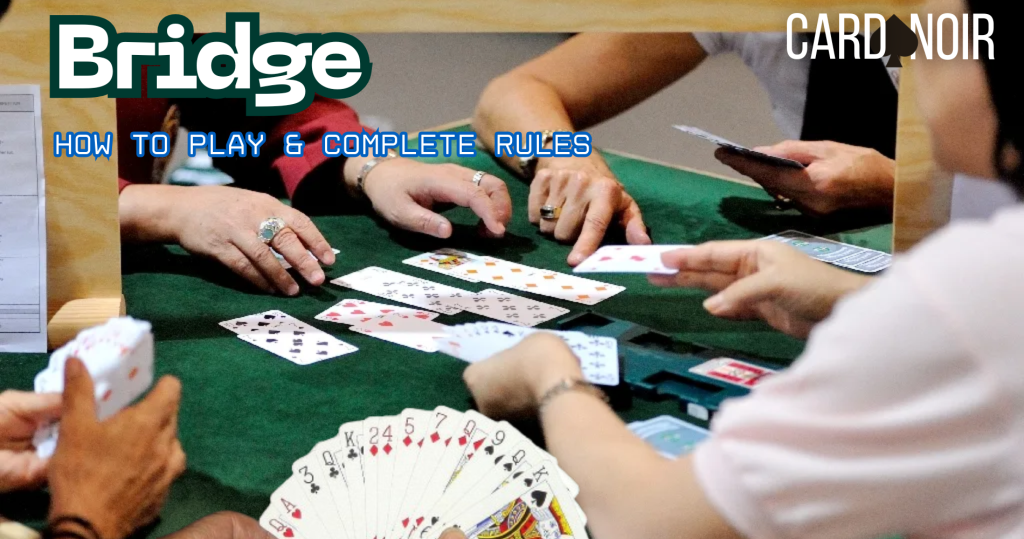
Bridge is more than just a card game; it’s a tradition, a challenge, and an intellectual battle that’s been bringing people together for decades. Played by four players in two teams, Bridge requires both strategy and communication—making it a perfect test of teamwork and skill. Whether you’re a complete beginner or looking to sharpen your game, this guide will walk you through how to play Bridge and the complete rules that define this exciting card game.
What is Bridge?
At its core, Bridge is a trick-taking card game played with a standard 52-card deck. It’s typically played by four players, split into two teams of two, sitting across from each other. The objective is simple: win as many tricks as possible, with the ultimate goal of getting the highest points by the end of the game.
But here’s the kicker: the game doesn’t just rely on luck. It’s about skillful bidding, effective teamwork, and clever strategy. Imagine a game where every card you play has a deeper meaning and every decision you make could tip the scales in your favor—or against you.
How to Play Bridge: A Simple Breakdown
Setting Up the Game
- Players: Four players, divided into two teams of two. You and your teammate sit across from each other, like your own dynamic duo, taking on the other team.
- The Cards: A standard 52-card deck. Each player is dealt 13 cards, which they will need to manage carefully. The cards are sorted into four suits: hearts, diamonds, clubs, and spades.
The Bidding Phase: Strategy Starts Here
The game begins with the bidding phase—this is where the real strategy kicks in. Each player gets the chance to bid, which essentially sets the tone for the game.
- The bid determines how many tricks your team plans to win and which suit (if any) will be the trump suit. A trump suit beats all other suits, making it a crucial element in your strategy.
- The bidding goes in a clockwise order, with each player having the option to either pass or make a bid. The bid must always be higher than the previous one, or you can simply pass if you don’t have a strong hand.
- The team that wins the highest bid becomes the declarer and plays to fulfill the contract they made during bidding.
The key here is to communicate through the bidding process. Your bid isn’t just about the cards you hold, but also about what your partner can help you with. It’s a delicate balance between playing your hand and understanding the possibilities of your teammate.
The Playing Phase: Let the Cards Do the Talking
Once the bidding is settled, it’s time for the real fun to begin. The declarer leads the first card, and the play continues in a clockwise order. Here’s the basic play flow:
- Follow the suit: If a suit is led, all players must play a card from that suit if they have one. If they don’t, they can play any card.
- Trump cards: If there is a trump suit, and you don’t have the led suit, you can play a card from the trump suit. Trump cards always win over the other suits.
- Winning a trick: The player who plays the highest card in the led suit (or the highest trump card, if applicable) wins the trick.
- Play continues until all 13 tricks are played.
Winning each trick isn’t just about having the highest card; it’s about managing your hand and knowing when to use your trump cards or take the risk of losing a trick.
Scoring: Who Wins the Most Tricks?
At the end of the game, the points are tallied based on how many tricks each team has won. Here’s how scoring works:
- Contract points: If your team fulfills the contract (i.e., wins the number of tricks you bid for), you score points for those tricks.
- Overtricks: Winning more tricks than the contract specified earns your team bonus points.
- Undertricks: Failing to meet your bid results in penalties for your team.
The team with the most points after all 13 tricks are played wins the round. The game continues, often in multiple rounds or over several hands, until a certain point total is reached.
Common Terms in Bridge You Should Know
As you dive deeper into Bridge, you’ll encounter a lot of specialized terms. Here are a few you’ll hear most often:
- Declarer: The player who wins the bid and plays to fulfill the contract.
- Dummy: The declarer’s partner’s cards, which are placed face-up on the table for everyone to see. It’s a strategic advantage for the declarer.
- Trick: A round of play where each player contributes one card. The highest card wins the trick.
- Finesse: A clever strategy where a lower card wins a trick by taking advantage of card placement.
- Bidding: The process of determining the contract at the beginning of each round.
Bridge Variations You Might Encounter
While Contract Bridge is the most common and formal version of the game, there are a few variations to try:
- Duplicate Bridge: Played at multiple tables with identical hands, designed to reduce the element of luck and make the game more about skill.
- Rubber Bridge: A more casual version often played at home, where the game ends when a team wins two “rubbers” (total rounds).
The Strategy and Excitement of Bridge
Bridge isn’t just a card game—it’s an intellectual challenge that demands skill, teamwork, and strategy. Whether you’re playing in a tournament or just enjoying a friendly game with friends, mastering the rules and strategies will enhance your experience.
The beauty of Bridge is that, even though the rules are straightforward, the game is never quite the same twice. Every hand brings new possibilities, and the teamwork and strategy involved create a game that’s never boring.
By understanding the bidding, playing, and scoring rules, you’ll soon be on your way to becoming a Bridge master. Whether you’re looking to improve your skills or learn the basics, the world of Bridge awaits. Play, compete, and experience the thrill of one of the most strategic and rewarding card games out there.