

Card games have fascinated people for centuries, offering endless possibilities for entertainment, strategy, and social interaction. But at the core of every game lies one crucial element: card game rules. Without them, even the most iconic games would descend into chaos.
Cardanoir exists to help players worldwide understand not only how card games are played, but also why rules matter. Whether you’re new to the world of game cards or already familiar with classics like Poker, UNO, and Solitaire, learning the basics of card game rules ensures fairness, fun, and mastery.
General Mechanics of Card Game Rules
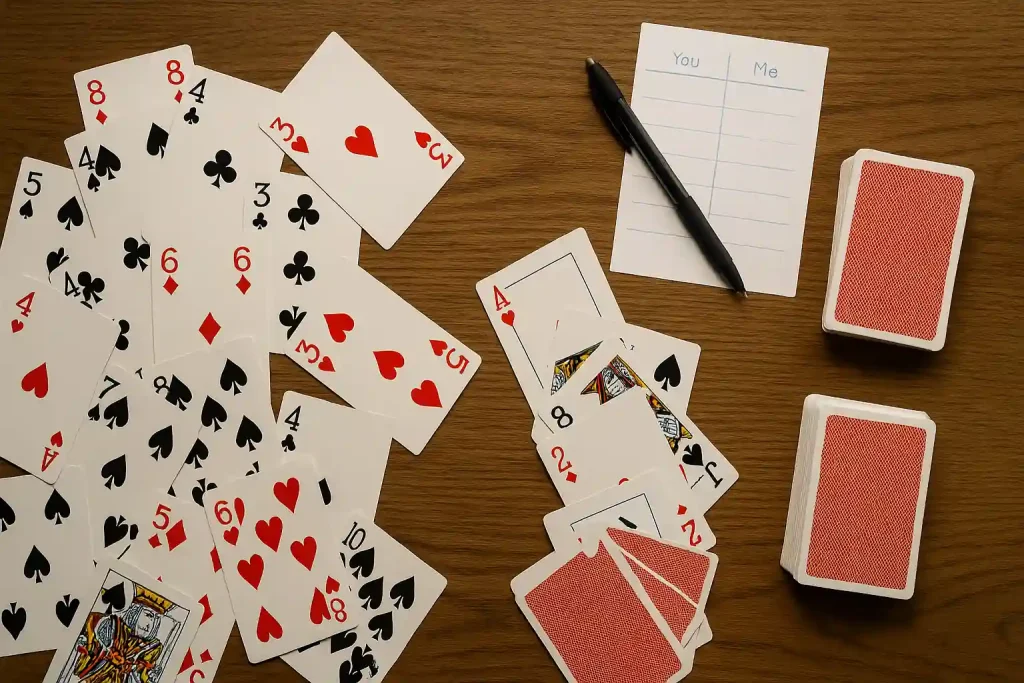
Though each card game is unique, certain mechanics appear across most styles. Basic card game rules can differ depending on the type of card game, but these foundational principles apply almost everywhere.
Dealing the Cards
Turn Order
Objectives and Winning Conditions
At the beginning of most card games, cards are shuffled and dealt. The dealer may distribute a set number of game cards to each player or leave a draw pile in the center. How the deal works often sets the rhythm for the rest of the game.
Turns establish fairness. In many card games, play proceeds clockwise, with each person taking one action per round. Actions might include playing a card, drawing from the deck, or passing. Some games, like UNO, even have special cards that reverse the direction of turns.
Every game has a way to win. In Poker, it’s creating the best hand or forcing others to fold. In Solitaire, it’s organizing all the cards into ordered piles. Winning conditions are defined clearly in the rules to prevent disputes and keep gameplay smooth.
Examples of Card Game Rules
To see these principles in action, it helps to examine some of the most popular games worldwide.
Poker Rules

Poker is one of the most well-known card games. The rules depend on the variant—Texas Hold’em being the most famous—but the core remains: players receive hole cards, combine them with community cards, and bet to create the strongest hand. Betting rounds, hand rankings, and bluffing are integral to Poker’s rule system.
UNO Rules
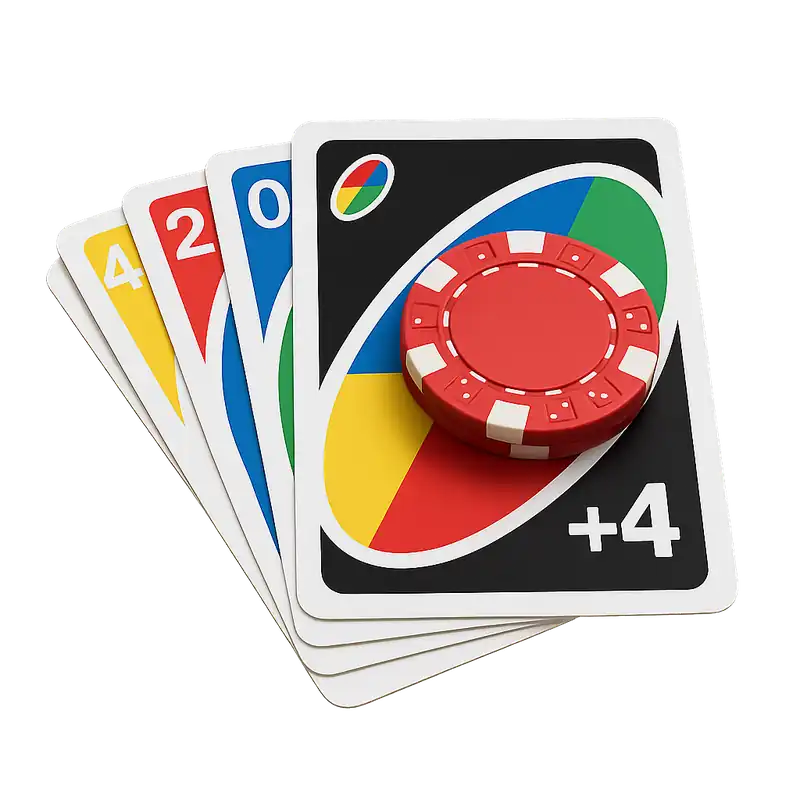
UNO uses a custom deck of colorful cards with numbers and actions. Players match colors or numbers to play, while action cards introduce chaos—skipping turns, reversing order, or forcing opponents to draw more. The ultimate rule: when you’re down to your last card, you must shout “UNO!”
Blackjack Rules
Blackjack, often called “21,” is a casino staple. Each player tries to build a hand value as close to 21 as possible without exceeding it. Face cards are worth ten, Aces can be one or eleven, and all other cards are face value. Players compete against the dealer, not against each other.
Solitaire Rules
Unlike group games, Solitaire is for solo play. In Klondike Solitaire, players move cards between tableau piles and foundations, following descending and alternating color rules. Victory comes when all cards are sorted into the foundations.
Common Mistakes in Learning Card Game Rules
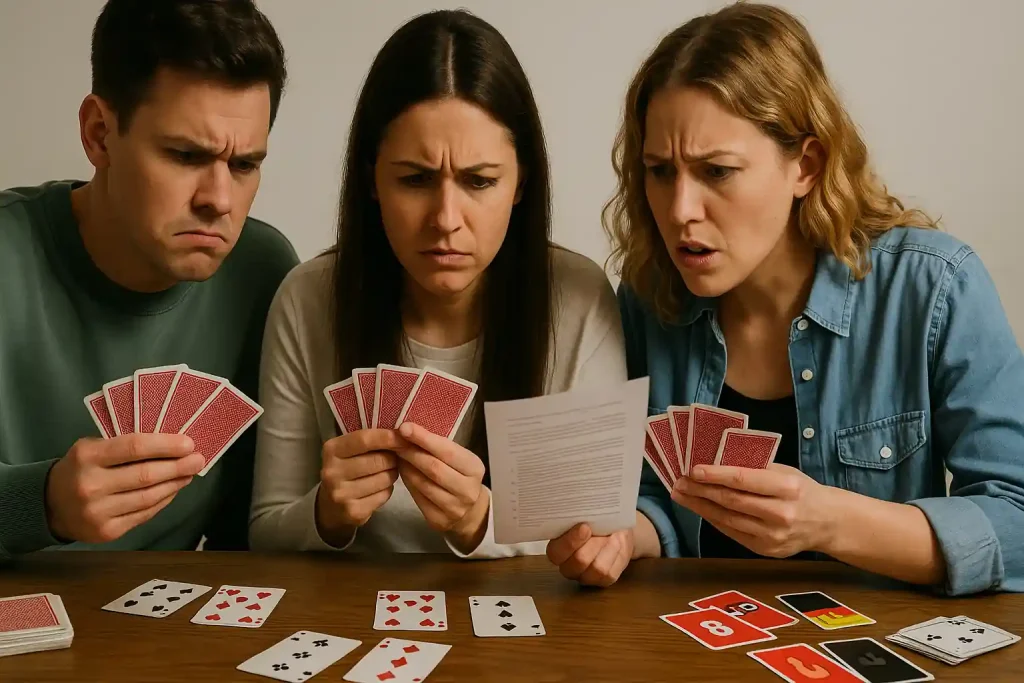
Even experienced players can stumble over the details. Some of the most frequent mistakes include:
- Ignoring Turn Order – Skipping ahead or playing out of turn disrupts fairness.
- Misunderstanding Card Values – Especially in games like Blackjack, miscounting can ruin a round.
- Overlooking Special Rules – Games like UNO or Rummy often hinge on unique rule twists.
- Confusing Variants – Poker alone has dozens of versions; mixing rules between them leads to chaos.
- Not Reviewing the Glossary – If terms sound confusing, check our card game glossary for quick definitions and clarity.
Variations in Card Game Rules
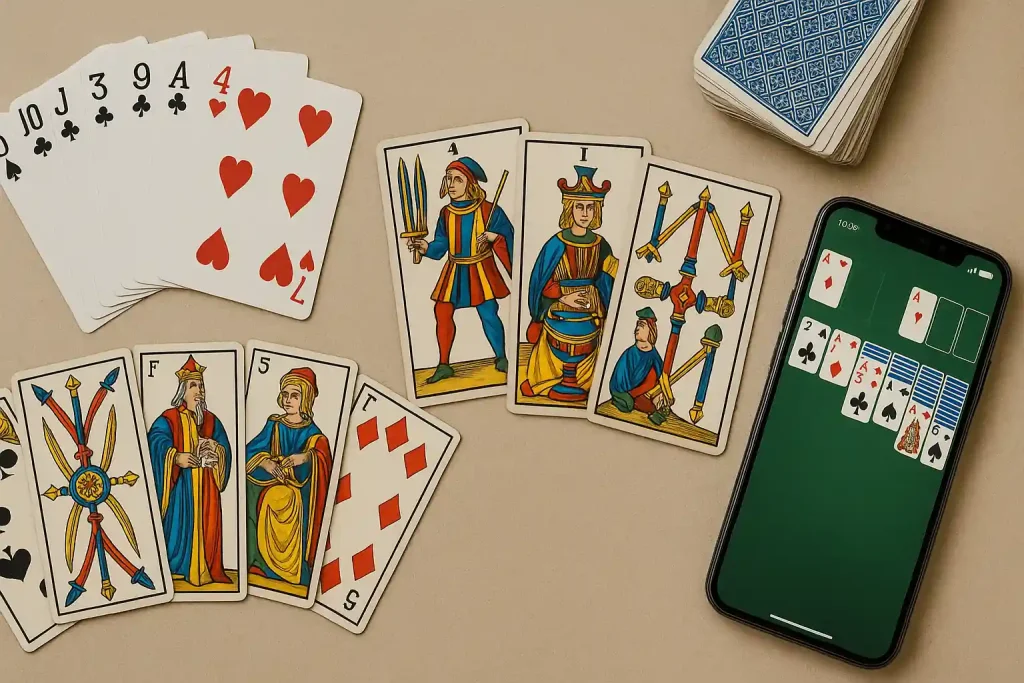
One of the fascinating aspects of card games is how rules evolve. Even within the same game, different regions or groups adapt mechanics.
- Regional Styles: Indian Rummy differs from Western Rummy; French Tarot has rules unlike standard trick-taking games or Gaple in indonesia regions.
- House Rules: Families and friends often create their own versions, such as extra penalties in UNO or flexible betting in Poker.
- Digital Adaptations: Online versions of card games may add timers, hints, or bonus features.
These variations prove that while rules are essential, flexibility and creativity keep card games alive across generations.
Why Card Game Rules Matter
Understanding card game rules is not just about memorizing mechanics—it’s about appreciating fairness, improving skills, and deepening enjoyment. Rules create balance, challenge, and cultural connection.
As you learn, remember: rules form the bridge between casual fun and serious strategy. And that bridge leads to mastery.
Card game rules are the heartbeat of every game, from the bluffing battles of Poker to the colorful reversals of UNO, from Blackjack’s precision to Solitaire’s quiet patience. By mastering the rules, you unlock the real magic of card games.
To continue your journey, explore our guide to Card Game Strategies for tips on winning smarter, and check out Types of Card Games to see the broader landscape of this timeless pastime.
Cardanoir is here to ensure that every shuffle, deal, and play makes sense.