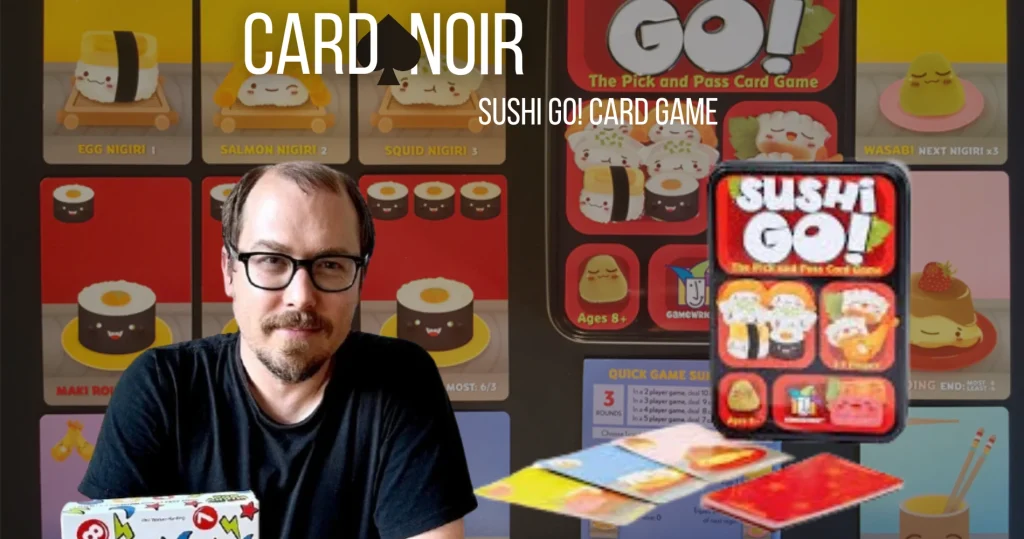
Imagine being at a sushi restaurant, trying to gather the best combination of sushi dishes that pass by on a conveyor belt. You score points for grabbing the tastiest rolls, but beware—the sushi your opponent takes might be the one you need. Welcome to Sushi Go!, a fast-paced, easy-to-learn card game that combines strategy with a delicious theme. But beneath its simple mechanics, there’s a surprising depth of decision-making that keeps players coming back for more.
In this article, we’ll dive into the history, rules, and cultural significance of Sushi Go!, exploring why it’s a game beloved by families, casual gamers, and board game enthusiasts alike.
The Origins of Sushi Go!
The story of Sushi Go! begins in 2013, when it was released by Gamewright, a renowned board game publisher known for creating accessible yet engaging games. Designed by Phil Walker-Harding, Sushi Go! takes inspiration from the card-drafting mechanism found in games like Fairy Tale and 7 Wonders, distilling it into a fast, twenty-minute experience that anyone can enjoy.
The game quickly gained popularity for its simplicity, charming art, and strategic depth. While it may look like a game you could play in minutes, it’s one that offers significant replay value as you refine your strategy with each game.
Walker-Harding’s design puts players into the role of patrons in a sushi restaurant, where they aim to gather the most valuable combination of sushi dishes. The clever balance of tactical decision-making and the fun of sushi-themed cards has made Sushi Go! a staple in family game collections and casual game nights.
How to Play Sushi Go!: Gameplay Mechanics and Structure
At first glance, Sushi Go! may seem like a simple card game, but it’s built with a surprising amount of strategy. Here’s how the game works:
The Deck Composition
The deck of Sushi Go! consists of 108 cards, featuring different types of sushi dishes like Nigiri, Tempura, Sashimi, and Maki Rolls. Each card represents a type of dish, and the goal is to collect the best combinations of these cards in order to score points.
- Nigiri Cards: These are your basic sushi cards and come in three types: Salmon, Squid, and Egg Nigiri. Each has a point value, with Salmon and Squid worth more than Egg.
- Tempura Cards: If you collect two Tempura cards, you score extra points. But if you only have one, it’s worth nothing.
- Sashimi Cards: Unlike other cards, Sashimi only scores if you collect three of them. The payoff is big, but it’s harder to collect them.
- Maki Rolls: These are scored at the end of the round. The player with the most Maki Rolls gets the most points, and the second-place player earns a smaller bonus.
- Wasabi Cards: Wasabi triples the value of a Nigiri card, so using this card strategically can yield high scores.
The Game Phases: Drafting and Passing Cards
Each round, players start with a hand of cards and select one to keep. After that, they pass the remaining cards to the player on their left or right, depending on the round. This drafting mechanic forces you to think ahead, as the cards you pass may benefit your opponents, while the ones you keep could help you complete your sushi sets.
The game plays in three rounds, and each round is scored based on the combination of cards that players have gathered. After each round, players tally their points based on the sushi dishes they’ve collected.
Scoring System
The scoring system in Sushi Go! is based on the specific combinations of cards a player holds at the end of each round. Points are awarded based on the following:
- Maki Rolls: The player with the most Maki Rolls earns 6 points, while the second player receives 3 points.
- Tempura: Two Tempura cards earn 5 points; one earns 0.
- Sashimi: Collecting three Sashimi cards earns 10 points; fewer than three yields 0 points.
- Nigiri: Points vary depending on the type of Nigiri card—Salmon (2 points), Squid (3 points), and Egg (1 point).
- Wasabi: If you pair Wasabi with a Nigiri card, it triples the Nigiri’s points.
At the end of the game, players total their points from all three rounds, and the player with the most points wins.
Variations and Digital Adaptations
Sushi Go! Party!
For those looking for a longer, more customizable experience, Sushi Go! Party! is the expanded version of the game. It introduces new cards, including Dumplings, Chopsticks, and Pudding, making the game more complex and engaging for larger groups (up to 8 players). Players can customize the set of cards each game by adding or removing different types of sushi, ensuring that no two games are the same.
Digital Versions of Sushi Go!
As digital gaming exploded, Sushi Go! made its way onto online platforms, including mobile apps and websites. Fans of the game can now play against opponents from around the world, adding a competitive edge to this beloved classic. The digital adaptation of Sushi Go! retains the essence of the original game, with the convenience of playing from the comfort of your home.
Cultural and Social Impact of Sushi Go!
Sushi Go! is more than just a game; it has become a cultural phenomenon. The game’s sushi theme resonates with many people worldwide, especially those who appreciate Japanese cuisine. Its accessibility, with simple rules that anyone can pick up in minutes, makes it an excellent choice for casual gatherings, family game nights, or even teaching kids strategic thinking.
The game has become a gateway to the world of card games, helping many players discover deeper, more complex titles later on. The use of sushi in the game has sparked an interest in food-themed games, and Sushi Go! stands as one of the most successful examples of how thematic games can elevate strategy and gameplay.
Unique Facts About Sushi Go!
- Award-Winning: Sushi Go! was nominated for and won several prestigious awards, including the 2015 UK Games Expo Best General Card Game and 2015 Origins Award for Best Card Game.
- Global Appeal: The game’s success has transcended borders, with editions and translations released in multiple languages, including Japanese, which adds a layer of authenticity.
- Short Yet Sweet: Each game of Sushi Go! lasts only about 20 minutes, making it an ideal choice for quick breaks during longer gaming sessions.
- Sushi Go! Party! introduced a staggering 100 new card combinations, adding depth without sacrificing the game’s easy-to-learn charm.
A Game That Brings People Together
At its core, Sushi Go! is a game about making smart decisions, outwitting your opponents, and having fun. Its simplicity, combined with strategic depth, has made it a favorite among families, friends, and card game enthusiasts. Whether played in a casual setting or at a more competitive level, Sushi Go! offers a delightful mix of fun and strategy with a twist of cultural flair. So next time you’re looking to gather your friends for a quick but thrilling game, you know where to look—Sushi Go!.